


NEWS XTRA
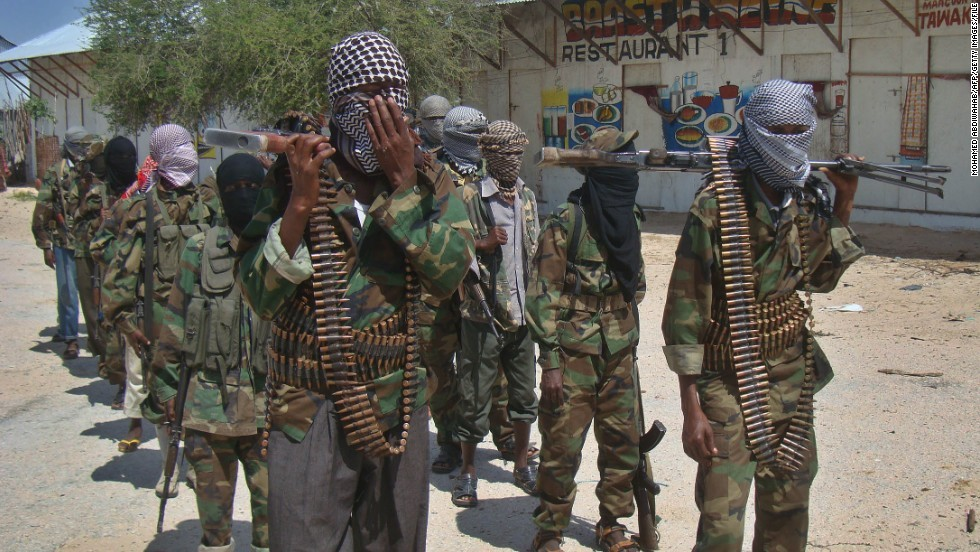
‘BOKO HARAM ENSLAVED US FOR REFUSING TO CONVERT TO ISLAM’ – ESCAPEE, FAYINA
Fayina Akilawus, a former captive of Boko Haram, has recounted the harrowing experience she endured in the insurgents’ camp and how she eventually managed to escape after multiple attempts.
She revealed that members of Boko Haram tried to force her and other Christians in the camp to embrace Islam, and when they refused, they were made slaves. Fayina spent four years in captivity before finally escaping on her fifth attempt, with the assistance of a Fulani woman who sold drinks near the terrorists’ hideout.
“They wanted us to convert to Islam, but we refused,” Fayina said. “Their rule is that anyone who does not convert becomes a slave.”
Explaining what enslavement entailed in the camp, she added: “Since I’m a Christian, they wanted us to become Muslims. If we refused, we remained Christians but were forced to serve them. We had to carry wood, fetch water, and perform other chores. They would also preach to us, trying to convince us to join their religion to ‘become better people.’”
Fayina said that after nine months of refusal, captives were separated and sent to the homes of Boko Haram leaders as slaves. She recounted her first escape attempt: “On the night we arrived, around 7 pm, my aunt and I tried to flee. We walked through the night until morning, but hearing a baby’s cry, we assumed it was the Fulani cattle herders and approached. The family inside saw us, shouted, and we were quickly recaptured. They beat us severely all the way back to the camp.”
Describing her eventual successful escape, Fayina said, “With God, all things are possible. I prayed and tried again. On my fifth attempt, I managed to escape with the help of a Fulani woman who used to sell kunu and nunu nearby. Initially, she was afraid to help, but I kept pleading, and she eventually agreed.”
Fayina’s story highlights the resilience and courage of those who survive Boko Haram’s captivity and the risks taken by those who assist them in fleeing.