


BUSINESS
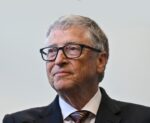
BILL GATES PROPOSES ‘HUMAN RESERVED’ JOBS, ROBOT TAX TO MANAGE AI DISRUPTION
Microsoft co-founder Bill Gates has proposed a new approach to managing the disruption artificial intelligence could cause in the global labour market, including reserving certain jobs for humans and introducing taxes on AI systems and robots.
Gates made the proposals in a new essay examining the rapid development of artificial intelligence and its potential consequences for employment, education, healthcare and society.
He warned that AI could permanently eliminate some jobs as machines become increasingly capable of performing tasks previously handled by people. He said the impact would extend beyond office-based employment as advances in robotics make physical jobs more vulnerable to automation.
Gates proposed designating some occupations as “Human Reserved”, meaning society would deliberately keep certain roles for people even when AI could technically perform the work.
He cited areas such as childcare and jury service as examples where human judgement, empathy and personal interaction remain particularly important. He also suggested that healthcare and education could contain roles or functions where human involvement should be protected.
The proposal would not necessarily prevent AI from being used in those sectors. Instead, it would create boundaries around tasks where society considers human participation especially valuable.
Gates also called for governments to consider taxing AI systems and robots. He argued that existing tax structures can encourage companies to replace workers with machines because businesses pay taxes associated with human employment while automated systems can receive favourable treatment.
According to Gates, revenue generated from such taxes could help governments support workers affected by automation, finance retraining programmes and strengthen social safety nets.
He warned that retraining alone may not be enough if AI eliminates jobs faster than workers can transition into new occupations.
Beyond employment, Gates raised concerns about AI's potential impact on cybersecurity, biological threats, education and human relationships. He called for stronger institutions capable of managing the technology and coordinating responses to risks that cross national borders.
Despite his concerns, Gates said AI could deliver significant benefits, particularly in healthcare, education and productivity, if governments and technology companies develop appropriate safeguards.
He urged policymakers to begin preparing for the changes now rather than waiting until widespread job displacement has already occurred.
Gates’ proposals add to the growing global debate over how governments can balance the productivity gains of artificial intelligence with the need to protect workers and ensure that the benefits of technological progress are broadly shared.