


BUSINESS &ECOMONY
AFTER SEVEN YEARS, RESIDENTS ASK FIRST BANK TO REOPEN ONDO BRANCH
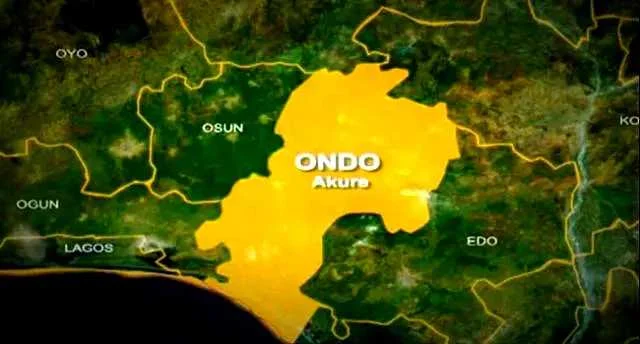
Residents of Ido-Ani in Ose Local Government Area of Ondo State have appealed to the management of First Bank of Nigeria to reopen its branch in the community, which was shut down following a robbery attack seven years ago.
The financial institution’s branch in the community was attacked by armed robbers in April 2019.
The attackers reportedly carted away an undisclosed sum of money from the Automated Teller Machine and killed no fewer than six people, including a policeman and a school vice-principal.
One of the robbers was later arrested by the police in collaboration with soldiers.
A community leader, Mr Steve Otaloro, who spoke on behalf of concerned indigenes and residents, urged the bank’s management to reopen its Ido-Ani branch, describing the closure as inconsistent with the enduring legacy of the bank’s first indigenous Managing Director, Chief Samuel Asabia.
This was contained in a statement he issued on Monday.
Otaloro, a former chairman of the Irekari Local Council Development Area, argued that restoring banking operations to the historic town would not only revive economic activities but also honour one of Nigeria’s foremost banking icons.
According to him, the Ido-Ani branch of the bank was established in the 1980s during Asabia’s tenure.
He said, “While there is no public evidence that the branch was established solely because it was Asabia’s hometown, its establishment during his tenure remains historically significant and symbolises the philosophy of taking banking services to the grassroots.
“Unlike many rural branches that began operations in rented buildings, First Bank invested heavily in Ido-Ani by constructing a purpose-built banking hall as well as an official residence for the branch manager, demonstrating the bank’s long-term commitment to the community.
“For several decades, the branch served as the major financial hub for communities including Idogun, Imeri, Owani, Afo, Ikun, Oba and other neighbouring settlements.”
He noted that the branch also catered to the banking needs of key institutions such as the Federal Government College, Ido-Ani, the Nigerian Navy Secondary School, Imeri, as well as farmers, traders, artisans, transport operators, cooperative societies, public servants and other business owners across the area.
According to him, the closure has forced residents and business owners to travel long distances to carry out banking transactions, while many now rely on Point-of-Sale operators for services previously provided by the bank.
The community leader urged the current management of First Bank to revisit the decision taken by previous administrations, stressing that history would judge the present leadership not only by the decisions it inherited but also by whether it had the courage to reverse them.
“The present management may not have ordered the closure of the Ido-Ani branch, but history will remember whether it had the vision to restore it.
“There is still time for First Bank to return to the historic town of Ido-Ani, where its first indigenous Managing Director, Chief Samuel Oyewole Asabia, began his remarkable journey and now rests.
“Reopening the branch would be a fitting tribute to the doyen of Nigerian banking and a practical demonstration that the bank remains committed to the ideals of rural banking and financial inclusion that he championed,” Otaloro said.