


BUSINESS
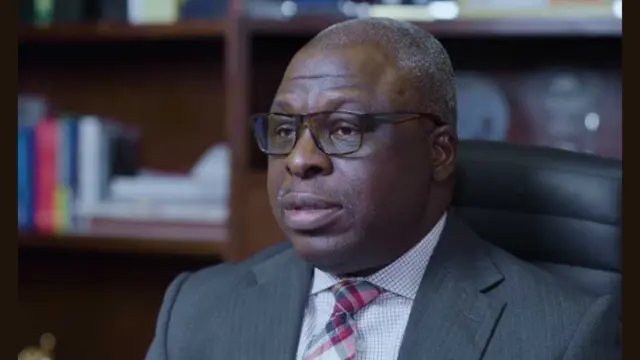
AFRICA REQUIRES OVER $200BN ANNUALLY TO BRIDGE ENERGY INVESTMENT SHORTFALL — IPPG
Africa will need more than $200 billion in annual energy investment by 2030 to close the continent’s widening energy investment gap, the Chairman of the Independent Petroleum Producers Group, Adegbite Falade, has said.
Falade made the disclosure while speaking on “Africa’s Upstream Outlook: Setting the Strategic Tone” at the opening of AOW: Energy 2026 in Accra, Ghana. He said Africa’s large oil and gas reserves, growing domestic energy demand and increasing participation of indigenous operators present significant opportunities for investors seeking to participate in the continent’s next phase of industrial development.
The conference, held under the theme “Investing in African Natural Resources,” is focused on increasing exploration, developing upstream partnerships and attracting more capital into Africa’s natural resources sector.
Falade noted that Africa possesses more than 125 billion barrels of proven crude oil reserves and over 620 trillion cubic feet of natural gas. Despite this resource base, he said the continent attracts only about six per cent of global upstream investment, creating a major gap between its natural resource potential and the amount of capital flowing into the sector.
He said Africa currently produces approximately eight million barrels of crude oil per day but refines less than half of that volume, leaving the continent heavily dependent on imported petroleum products. According to him, African countries collectively spend more than $60 billion annually on refined petroleum product imports, highlighting the urgent need to expand local refining capacity and infrastructure.
The IPPG chairman also drew attention to Africa’s persistent electricity and clean-cooking challenges. He said nearly 600 million Africans remain without access to electricity, while close to one billion people continue to depend on firewood and charcoal for cooking.
Against this background, Falade argued that the continent’s energy challenge should also be viewed as an investment opportunity. He said increasing demand for energy, coupled with Africa’s substantial natural resources and the growing involvement of indigenous companies, could attract the capital required to expand production, improve infrastructure and support industrialisation.
Operators Seek Stable Policies.
The investment appeal came as African oil and gas operators called on governments to create a more predictable business environment capable of attracting and retaining long-term capital.
The operators urged governments to provide fiscal stability, faster regulatory approvals and stronger protection for investments and contractual agreements. They argued that such measures would help unlock the value of Africa’s vast hydrocarbon resources at a time when global financing for oil and gas projects is becoming increasingly difficult to secure.
Falade warned that Africa must move quickly to develop and monetise its resources as the investment window for hydrocarbon projects becomes narrower. He described the disparity between the continent’s resource wealth and its relatively low share of global upstream investment as one of Africa’s biggest opportunities.
Call for Greater Gas Infrastructure Investment
The IPPG also called for increased investment in gas infrastructure across the continent, particularly pipeline networks needed to move gas to industries, power plants and consumers.
The group noted that Africa has fewer than 50,000 kilometres of gas pipelines, compared with more than 200,000 kilometres in Europe, despite Africa being geographically about three times larger.
The organisation argued that expanding gas infrastructure would help Africa better utilise its substantial gas reserves while supporting electricity generation, industrial activities and broader economic development.
The IPPG, which represents 34 Nigerian indigenous exploration and production companies, also encouraged African governments to maintain policies that give investors greater confidence to commit capital to long-term energy projects.
Africa Energy Bank Identified as Financing Option
The group further urged African countries to strengthen regional financing mechanisms, particularly through the Africa Energy Bank, established jointly by the African Petroleum Producers’ Organization and Afreximbank.
The bank, headquartered in Abuja, has an initial capital base of $5 billion, with plans to mobilise $10 billion during its first phase and expand its capital base to $15 billion by 2030.
Falade’s comments came alongside remarks from Ghanaian President John Mahama, who warned that Africa should not pursue an energy transition that increases energy poverty or undermines economic development.
Mahama called for a pragmatic and development-focused energy strategy that combines renewable energy with oil and gas resources, reflecting the continent’s need to expand access to affordable and reliable energy while also responding to global climate concerns.
The discussions at AOW Energy 2026 therefore placed renewed emphasis on the need for Africa to attract significantly more investment, develop its domestic energy infrastructure and maximise its natural resources to address energy poverty and support long-term economic growth.