


HEALTH
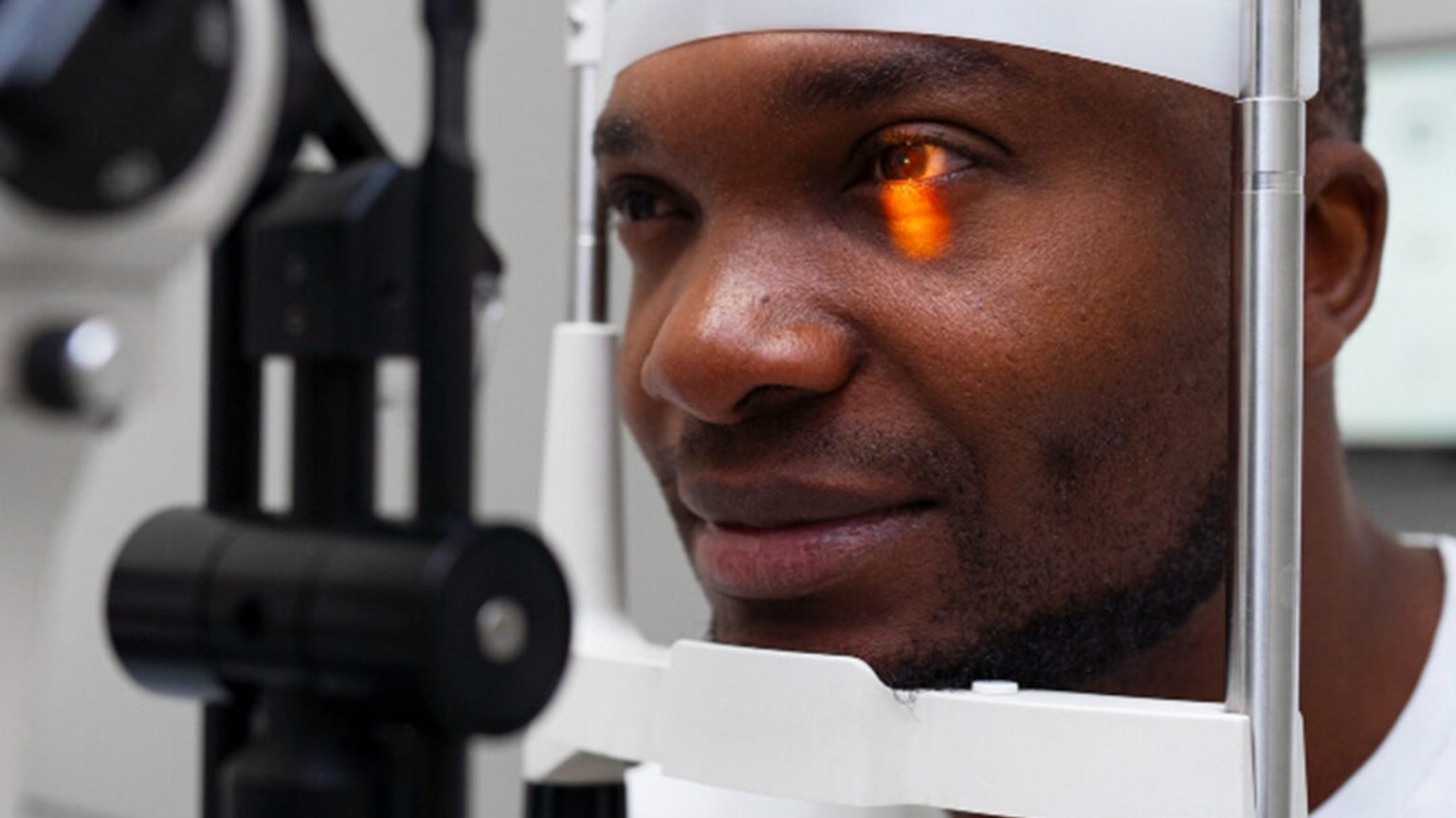
ABIA EYE BUREAU SCREENS 33,884 PEOPLE, DIAGNOSES 6,381 WITH GLAUCOMA
The Abia State Eye Health Bureau has reportedly screened 33,884 people and diagnosed 6,381 with glaucoma, highlighting the importance of eye examinations and early detection in preventing avoidable vision loss.
The figures draw attention to a condition that can damage the optic nerve, which carries visual information from the eye to the brain. Glaucoma is often associated with increased pressure inside the eye, although it can also develop when eye pressure is within the normal range.
One of the major challenges with glaucoma is that it may develop without noticeable symptoms during its early stages. Some people do not realise their vision is deteriorating until significant damage has occurred, making routine eye examinations particularly important.
Although glaucoma-related damage cannot generally be reversed, early diagnosis and appropriate treatment can help slow its progression and protect remaining vision. Treatment may include prescription eye drops, laser procedures or surgery, depending on the type and severity of the condition.
The reported screening exercise also highlights the role of public health programmes in identifying people who may otherwise have limited access to eye care. Community screening can help direct individuals who need further examination towards appropriate medical services.
However, a screening result is not always the same as a confirmed diagnosis. People identified as having possible glaucoma may require additional examinations by an eye specialist to establish the condition and determine the appropriate treatment.
For residents, the figures serve as a reminder not to wait for vision problems before seeking an eye examination. Regular checks are especially important for older adults and people with a family history of glaucoma or other recognised risk factors.
The reported exercise underscores the importance of sustained investment in eye health services, public awareness and access to treatment. Early detection and consistent follow-up care can make a significant difference in reducing preventable blindness and helping affected individuals preserve their sight.