


GOVERNMENT & POLICY
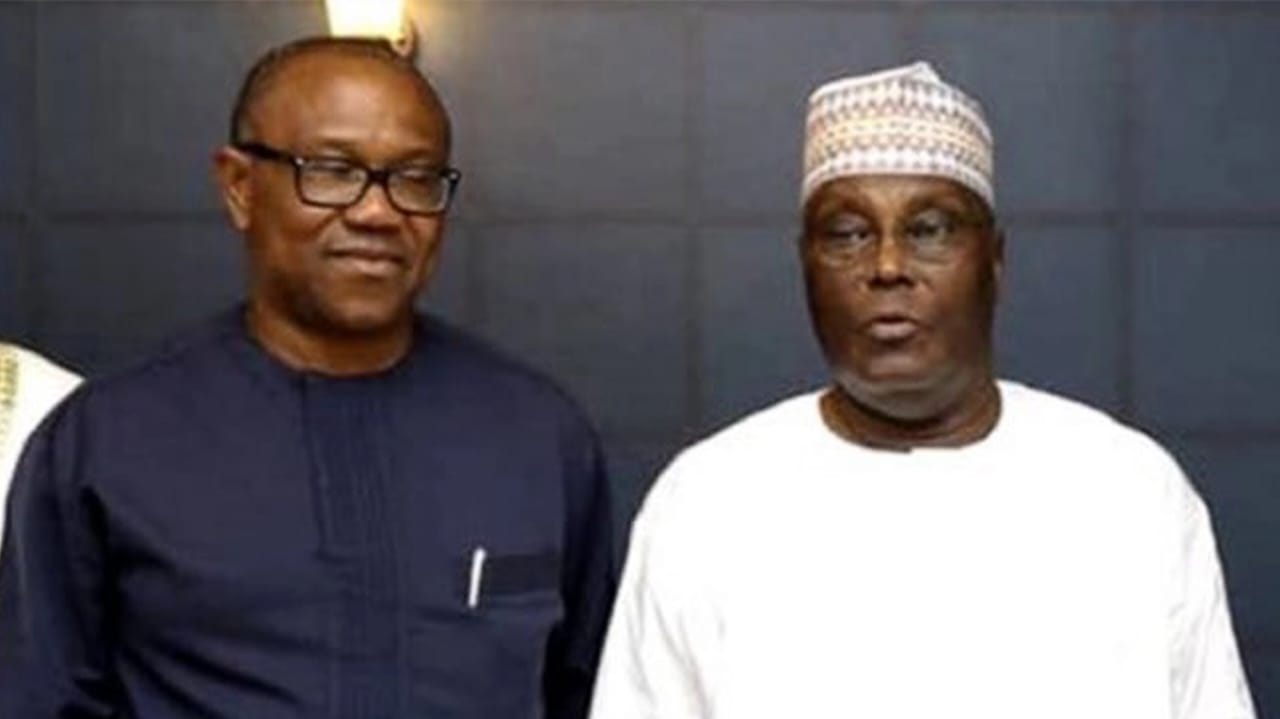
2027: OBI, ATIKU, MAKINDE UNVEIL PLAN TO FIX NIGERIA
Opposition presidential candidates Peter Obi, Atiku Abubakar and Oyo State Governor Seyi Makinde have outlined their respective plans to address Nigeria's economic, security and governance challenges ahead of the 2027 general elections.
The three politicians, who are presidential candidates of the Nigeria Democratic Congress (NDC), African Democratic Congress (ADC) and Allied Peoples Movement (APM), respectively, have presented different policy proposals centred on economic recovery, national security, institutional reforms and improved living standards.
Makinde recently unveiled his proposed Reset Nigeria Agenda, built around four major priorities: economic transformation, security restructuring, education reform and rebuilding the country's socio-political system.
The Oyo State governor advocated constitutional and electoral reforms, including a proposal requiring presidential candidates to secure at least 50 per cent plus one vote to win the presidency. He argued that the arrangement would encourage political parties to build broader alliances and produce governments with stronger national support.
He also promised to improve job creation, increase household incomes, reduce the cost of living and strengthen public institutions. Makinde maintained that economic growth should be measured by its impact on ordinary Nigerians rather than macroeconomic figures alone.
Peter Obi, the NDC presidential candidate, pledged to unite the country, confront insecurity and fight corruption. Speaking during a town hall meeting in Calabar, he promised a tougher approach towards kidnappers and criminal groups, particularly those targeting schoolchildren.
He also identified education, healthcare and responsible management of public resources as major priorities, insisting that government funds must serve the interests of citizens.
Atiku Abubakar, the ADC presidential candidate, presented an economic recovery approach that includes reopening Nigeria's land borders to encourage legitimate trade with neighbouring countries, tackling insecurity and restoring petroleum subsidy to cushion the impact of rising living costs.
He argued that these measures would create economic opportunities for farmers, traders and transport operators while improving household welfare.
Although the three candidates have different approaches to addressing Nigeria's challenges, their proposals share common priorities, particularly economic recovery, improved security and better governance.
Their emerging policy positions are expected to shape political debates as the 2027 elections approach. However, Nigerians will ultimately judge these promises by their financial feasibility, implementation plans and ability to deliver measurable improvements in people's lives.