


PEOPLE & POLITICS
2027: INEC FACES LITIGATION OVER VOTER REGISTER, STAFF REDEPLOYMENT
The Independent National Electoral Commission (INEC) is facing potential legal challenges over issues involving Nigeria’s voter register and the redeployment of staff ahead of the 2027 general elections.
The development raises fresh questions about electoral transparency, administrative decisions and the measures needed to ensure that the next general elections are conducted fairly and efficiently.
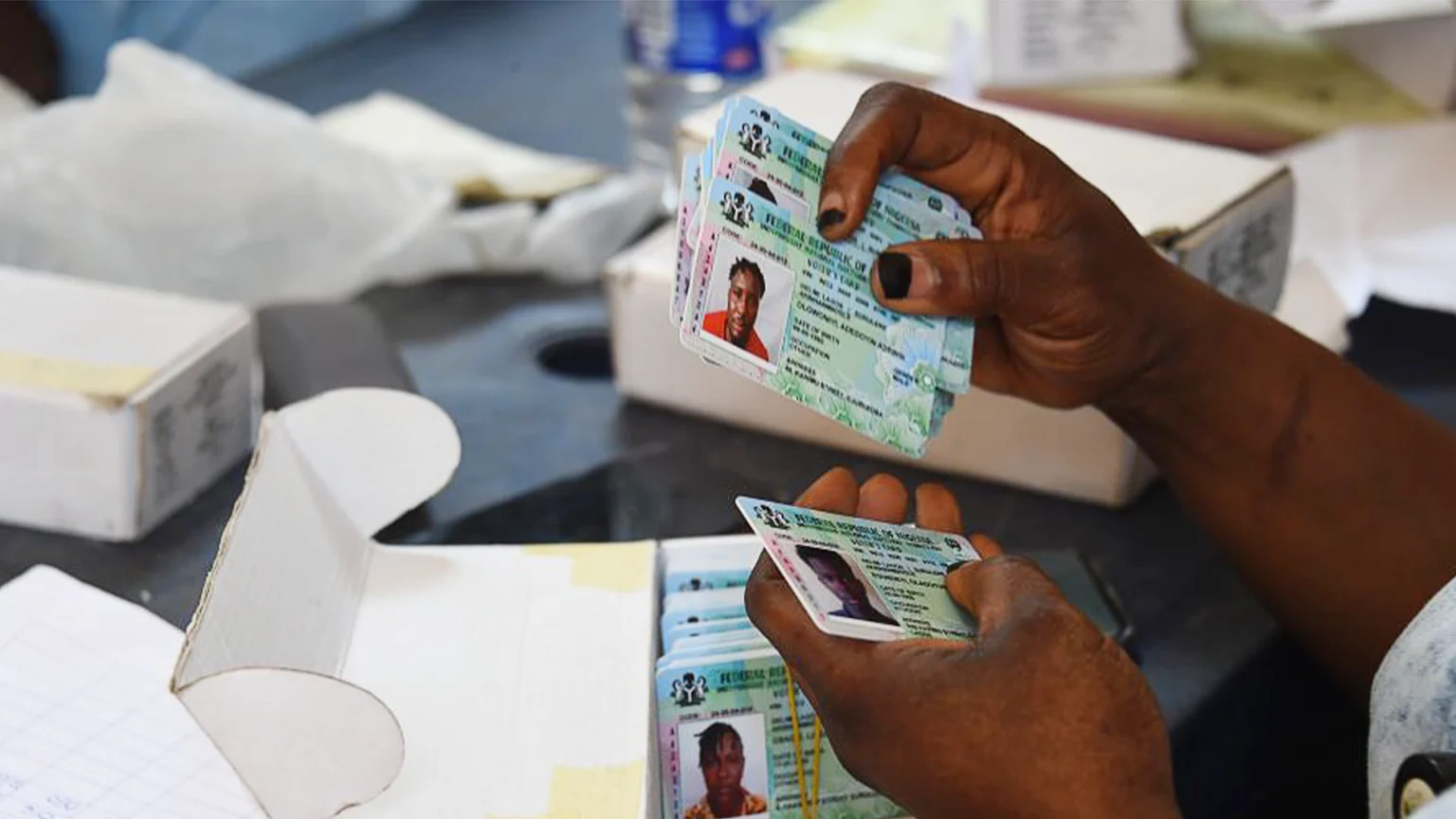
The voter register is one of the most important tools in Nigeria’s electoral process. It determines who is eligible to vote and helps election officials plan polling arrangements across the country. Any disputes over its accuracy, management or updating can attract serious attention because of the potential implications for voters and political parties.
Maintaining a reliable register requires regular updates, the removal of duplicate or ineligible entries in accordance with the law, and measures to ensure that eligible citizens are not unfairly excluded. Public confidence in this process is essential to the credibility of elections.
The redeployment of electoral staff is another sensitive issue. INEC depends on trained personnel to manage voter registration, organise polling activities and carry out other responsibilities during elections. Decisions about staff transfers can therefore raise questions about operational readiness, fairness and compliance with established procedures.
As the 2027 elections approach, any legal disputes involving these issues could place additional pressure on the commission to explain its decisions and demonstrate that it is acting within its statutory powers.
However, the filing of a lawsuit does not automatically establish that INEC has acted unlawfully. The outcome will depend on the specific claims presented, the relevant legal provisions and the evidence considered by the court.
For voters, the central concern is whether the electoral process will remain transparent, inclusive and properly managed. Political parties and civil society organisations will also be watching how the commission addresses concerns that could affect public trust.
INEC's handling of these challenges may become an important part of preparations for the next general elections, particularly as stakeholders seek assurances that administrative decisions will not undermine electoral credibility.
Ultimately, resolving disputes through lawful and transparent processes will be essential to maintaining confidence in Nigeria’s electoral system ahead of 2027.