


BUSINESS
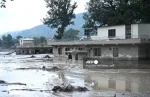
160 DEAD, 647 MISSING AS FLOODS DEVASTATE NEPAL, TIBET
At least 160 people have died and 647 others are missing after catastrophic floods and mudslides swept through parts of Nepal and Tibet along the China-Nepal border.
Nepal has reported 157 deaths, while Chinese state media confirmed three fatalities in Tibet. The missing include residents, security personnel, foreign tourists and pilgrims travelling through the mountainous region.
The disaster struck suddenly in the Himalayan region, sending huge volumes of water, mud and debris through river valleys and settlements. Several communities were severely affected, while roads and bridges were washed away, making access to some areas difficult for rescue teams.
In Nepal, at least 19 vehicle bridges and about 40 kilometres of roads were destroyed or damaged. Schools, hydropower facilities and other infrastructure were also affected by the floods.
The affected area is an important pilgrimage and trekking corridor. Many people reported missing had been travelling towards Mount Kailash and Lake Manasarovar in Tibet, while others were visiting religious sites within Nepal.
More than 100 Indian nationals were among those reported missing, alongside citizens of countries including the United States, Britain, Australia, Canada, Malaysia and South Africa.
Scientists believe an ice-and-rock avalanche or glacier collapse may have triggered the disaster. Preliminary assessments indicate that the collapse may have blocked a river before the natural barrier gave way, releasing a powerful surge downstream. The United States Geological Survey later determined that a seismic signal initially interpreted as an earthquake was generated by the landslide itself.
The Nepalese Army and other emergency agencies have deployed helicopters and rescue teams to search for missing people and evacuate survivors. At least 114 people had been airlifted to safety, while seriously injured victims were transported to Kathmandu for treatment.
Authorities on both sides of the border are also monitoring the possibility of further flooding as debris and possible river blockages continue to pose risks.
The disaster has renewed concerns about the vulnerability of Himalayan communities to sudden mountain hazards and the need for stronger early-warning systems, disaster preparedness and monitoring of glaciers and unstable mountain slopes.